Blog
How to weight irradiance against grid distance when ranking solar parcels
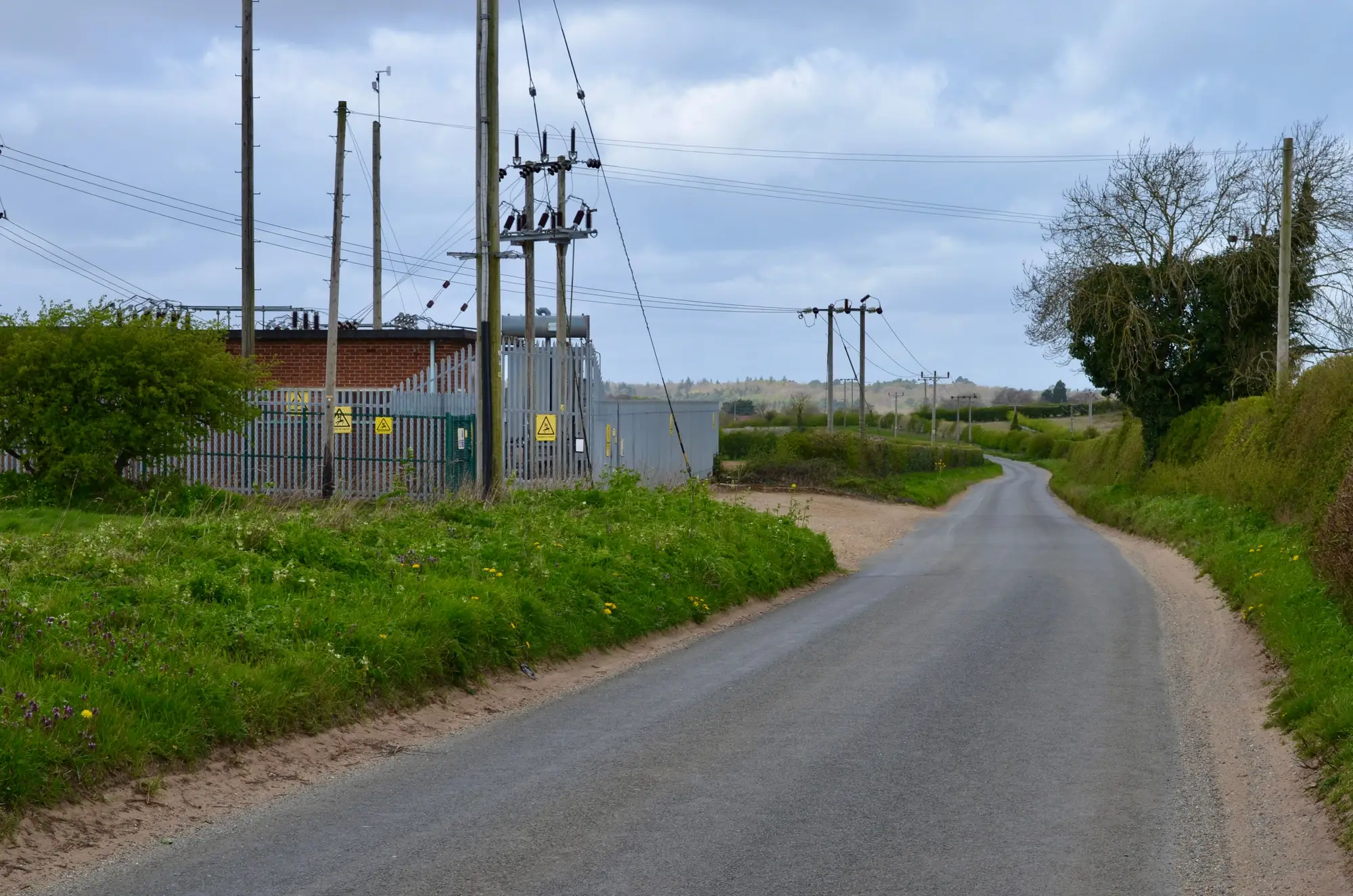
Every developer who has run a screening pass on fifty or a hundred parcels hits the same wall. You've cleared the easy disqualifiers: slope, wetlands, floodplain, zoning conflicts. What's left is a list of parcels that all technically work. Now you have to decide which ones get a truck roll first, and irradiance and grid distance are usually pulling in opposite directions.
Why irradiance and grid distance fight each other
A parcel with strong GHI numbers and flat, open land is often sitting twenty miles from the nearest substation with capacity to take it. The parcel next to a 115kV line with open interconnection capacity might have middling solar resource and a half-dozen wetland fingers cutting through it. Ranking on irradiance alone sends your team chasing sites that need a transmission upgrade estimate before anyone can pencil a PPA. Ranking on proximity alone fills your shortlist with marginal-yield ground next to a line that turns out to be full anyway.
Most shops default to one of two habits here. Either someone ranks by GHI because it's the number everyone already has from an irradiance dataset, or the land agent ranks by eyeballed distance to the nearest line on a map, without checking whether that line has room. Both produce a list that looks ordered but doesn't tell anyone where to drive first.
A starting weighting and how to adjust it
There's no universal split that works for every ISO footprint. A reasonable starting point for utility-scale ground mount is somewhere in the 40/35/25 range: irradiance around 40 percent, grid distance (measured to a point with real capacity, not just the nearest line) around 35 percent, and the remaining weight split across access and constraint density, meaning road frontage, parcel shape, wetland or easement coverage, and anything else that adds construction cost or risk.
Adjust that split based on what's scarce in your market. In a region where the interconnection queue is the bottleneck and every developer is fighting over the same substations, push grid distance weight up toward 45 or 50 percent. Resource is good enough across most of the state anyway, so the parcel that gets you a queue position without a network upgrade wins. In a market where land is abundant but radiation varies a lot by microclimate, like parts of the Pacific Northwest or anywhere with persistent valley fog, irradiance deserves more of the composite.
One thing worth saying plainly: don't let grid distance mean straight-line distance. A parcel two miles from a substation that's already saturated is worse than a parcel eight miles from one with headroom. If your distance input doesn't account for known capacity or at least queue status, you're weighting the wrong number no matter what split you pick.
Constraint density is the one teams skip because it's harder to quantify than the other two. It shouldn't carry zero weight. A parcel that scores well on irradiance and distance but is laced with wetland fingers and a single narrow access road will eat months in permitting and civil design that never show up in a spreadsheet ranking. Even a rough score, counting acres of mapped constraint against total parcel acreage, is better than leaving it out.
Turning the weighting into a visit order
Once you've picked weights, the output should be one ranked list, not three separate ones you're trying to reconcile in your head. That's the actual point of building a composite score. It forces the tradeoff decision up front, during the desk review, instead of leaving your team to debate it parcel by parcel on a call before every site visit. Solar Site Ranking runs this kind of composite across a screened shortlist and hands back an ordered table, so the weighting decision gets made once instead of argued over every week.
If you're still sending a land agent out with an unranked spreadsheet and a gut feeling about which parcel to see first, the weighting exercise above is worth doing on paper even before you automate it. Give your top twenty a quick irradiance and distance score by hand and see how much the order shifts. It usually shifts more than people expect.
Get in touch if you want your next shortlist ranked before your team plans the next round of site visits.