Blog
Turning a ranked parcel shortlist into a site-visit route
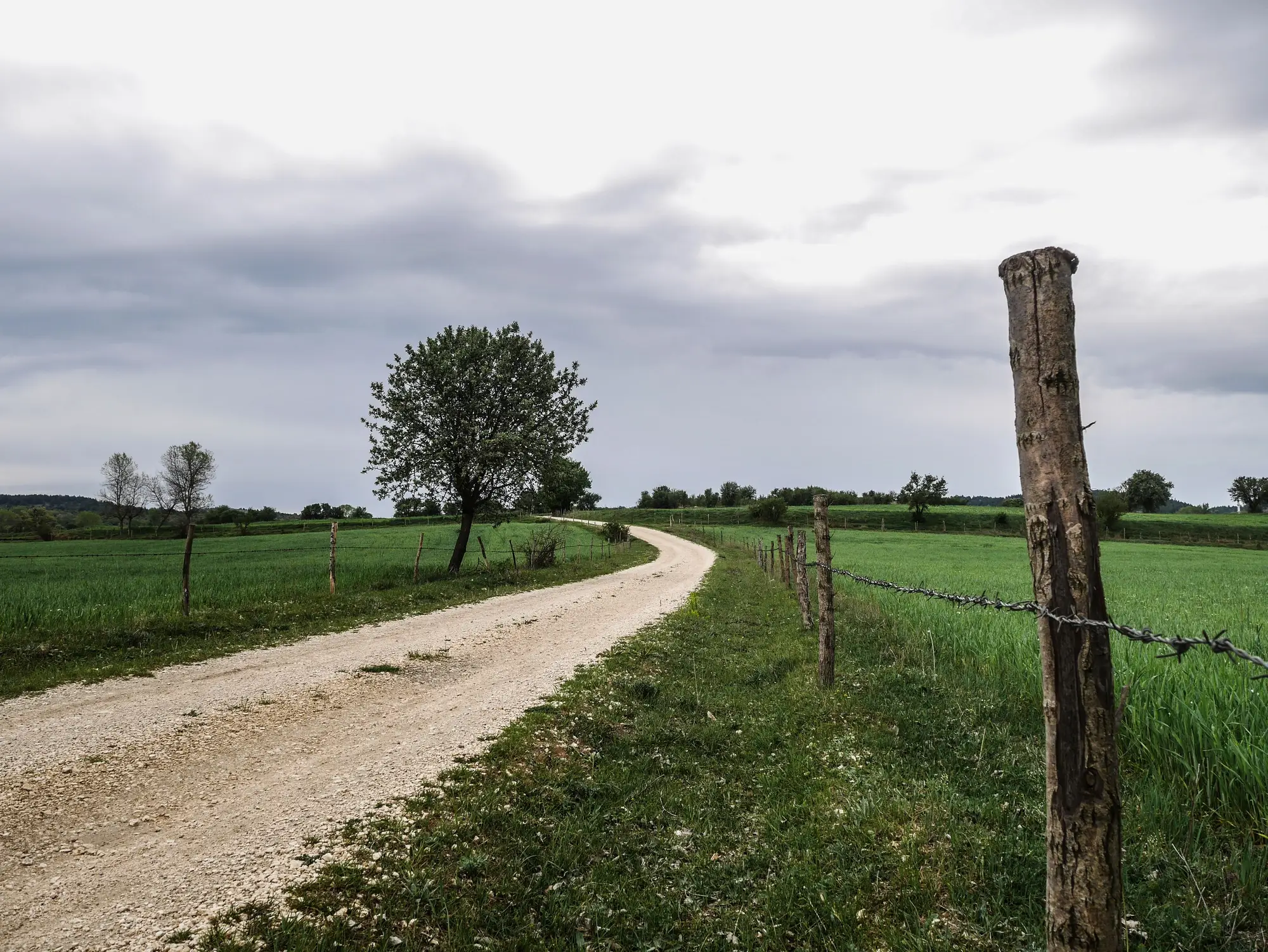
A composite score on a parcel sheet tells you which site is better on paper. Turning that score into a week of site visits means deciding what order you drive to those parcels, a separate problem your field schedule runs on: a tank of gas, hours in the truck, and how many driveways you can hit before dark.
This trips up a lot of teams the first time they work off a real ranked shortlist instead of a flat spreadsheet. Parcel #3 scores higher than parcel #7 on irradiance and grid distance. But #3 sits forty minutes past #7 down a gravel road that floods every spring, and #7 is three miles from a Waffle House where you're already stopping for parcel #12. Driving strict rank order means doubling back across the same stretch of highway twice in one week.
Why rank and route pull apart
A ranking score is built from things that don't care where you parked your truck: irradiance, distance to the nearest substation or line, road and easement access as a constraint flag, and how dense the parcel is with wetlands, floodplain, or other no-build pockets. Those four inputs tell you how good the land is. None of them know where parcel #4 sits relative to parcel #11, because clustering isn't part of the score, it's geography layered on top of it.
That's the gap a lot of land agents hit around month two of working a shortlist. The rank tells you what to care about. It says nothing about what's next door.
Building the drive order from the rank order
The fix isn't complicated, but it takes a second pass most teams skip. Pull your top tier, whatever cutoff makes sense for the quarter, and plot it against the actual road network instead of the straight-line distance a spreadsheet assumes. A parcel ranked ninth that's eight minutes from three parcels ranked in the top five belongs on day one. A parcel ranked second that requires a ninety-minute detour down a seasonal road belongs on its own trip, maybe paired with whatever else sits along that same stretch, even if those neighbors scored lower.
Some practical things to check before you lock the route:
Road type matters more than distance on the map. A parcel that's twelve miles away on paved county road beats one that's six miles away down an unmaintained farm lane, especially after rain.
Seasonal closures change the order week to week. Hunting season gate closures, mud season on unpaved access roads, and harvest traffic on rural routes can all push a parcel from "stop on the way" to "separate trip, call ahead first."
Landowner availability can override everything else. If the owner of your #2 parcel is only around on weekends, that visit gets scheduled around their calendar, not your rank sheet.
Two parcels sharing a single county road entrance belong in the same stop. You're already paying the drive time to reach that entrance, so cover both while you're there regardless of where each one lands on the ranked list.
When it's fine to break rank order
Breaking rank order to save a day of driving is standard practice once the shortlist is set. The ranking already narrowed hundreds of parcels down to the ones actually worth a drive. What's left is logistics math: fuel, hours in the truck, and how many site visits you can realistically close out before the landowner's patience runs thin.
A tight cluster of mid-tier parcels you can cover in one loop is worth more to your week than chasing the single highest-ranked site forty miles in the wrong direction. The rank still decides which parcels made the list in the first place. The route just decides what order you see them in.
Solar Site Ranking builds that ranked shortlist from the screened parcels you've already cleared, so the route-planning pass starts with a list worth driving, not a spreadsheet full of guesses about which field to see first.